ACT English Tips & Practice

Avoid redundancy by eliminating phrases that state similar ideas. It was stated in the sentence that the flowers are swaying because of the strong breeze, so describing them as swaying “in the wind” is redundant.

The phrase “caused by all of the precipitation” restates information given earlier in the sentence. Find the answer choice that doesn’t contain redundancy!

Adverbs describe verbs, adjectives, and other adverbs, and often end in “-ly.”
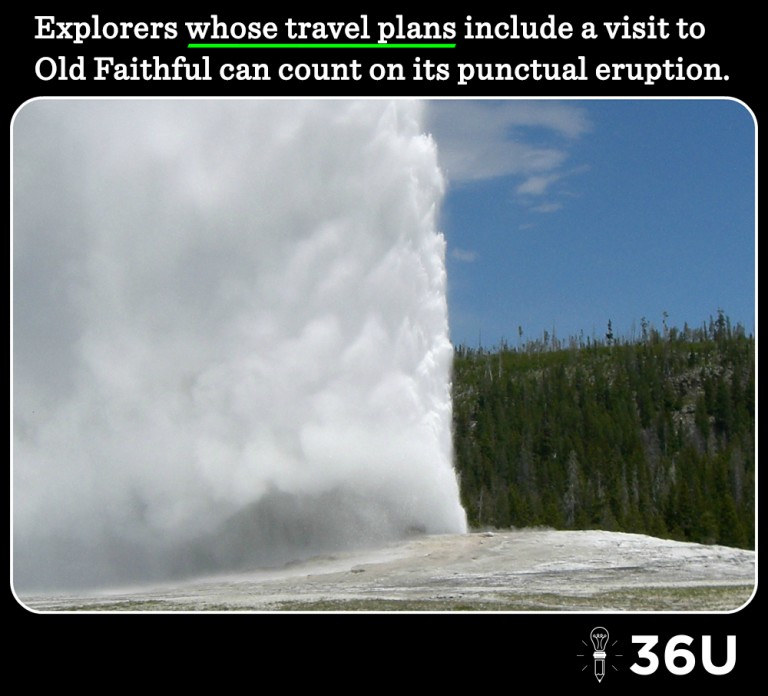
The possessive form of who is whose, not who’s!

The possessive form of “it” is “its.” Be careful, “It’s” means “It is.”
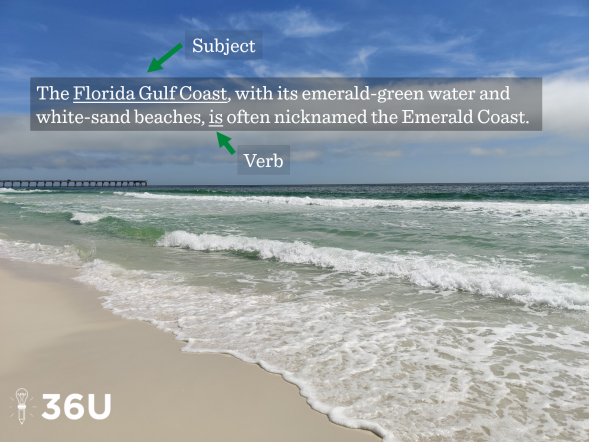
Recognize that the subject may be separated from the verb by a nonessential side comment!

Frame your nonessential side comments with commas!

You can use a semicolon when connecting two complete thoughts!
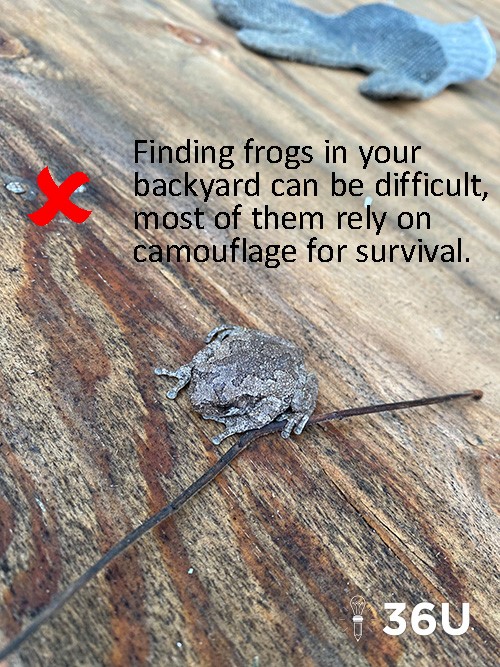
Eliminate answer choices that join two complete sentences with only a comma.

Lengthy sentences don’t always require lots of punctuation. Use punctuation only to make communication clearer.

Misplaced modifiers cause miscommunication. Recognize and fix them on the ACT! This sentence should read “The tourists in the jeep snapped pictures of the large rhino.”
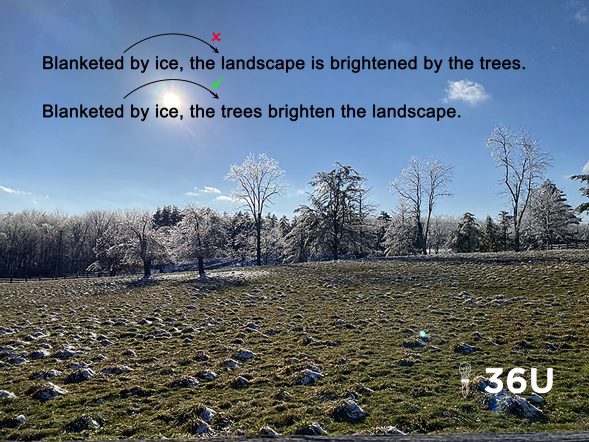
Remember to position the subject immediately after the introductory description.
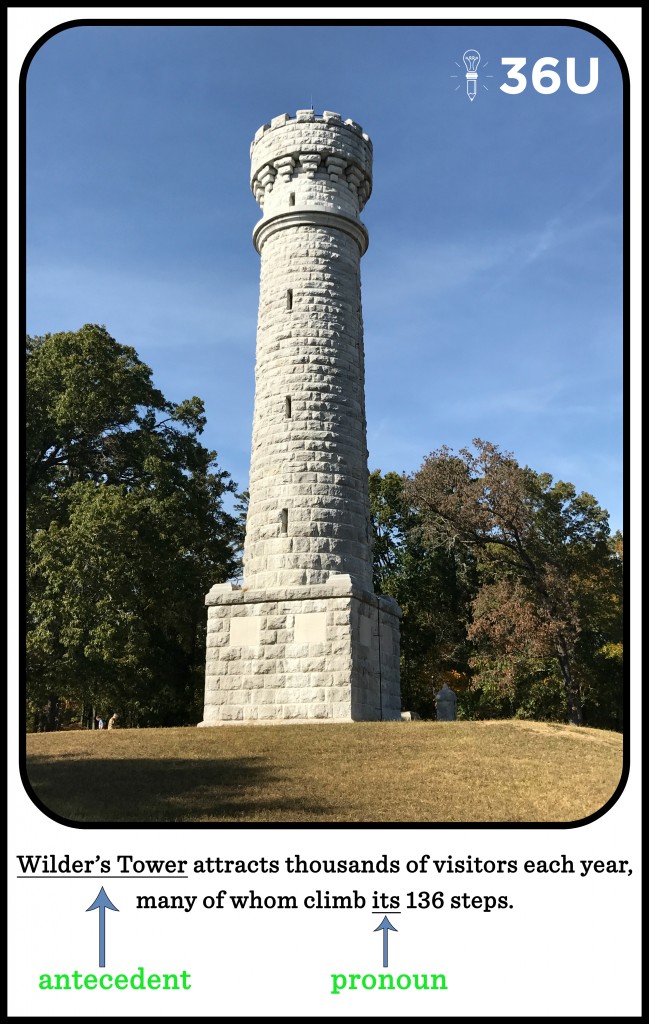
Quick checks for pronoun-antecedent agreement gain points on the ACT.

Use a form of the pronoun “who” when referring to people.
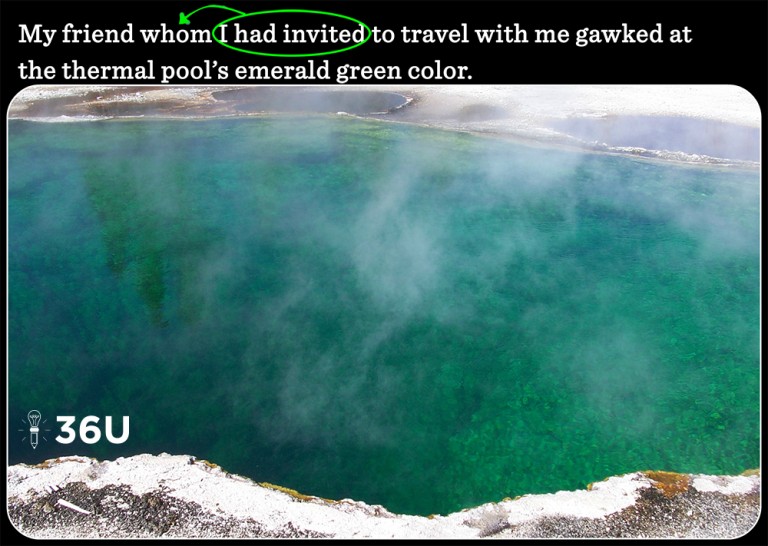
Use “whom” when the pronoun whom is used as the object (action being done to it).

Use “who” when the pronoun is used as the subject (doing the action).

You should be able to answer 5 to 10 English items correctly just by choosing clear and concise language.