
Conflicting Viewpoints Passage – Outschool
Conflicting Viewpoints Passage
You will be given 7 minutes to complete this 7-question science passage. Good luck!
Quiz Summary
0 of 7 Questions completed
Questions:
Information
You have already completed the quiz before. Hence you can not start it again.
Quiz is loading…
You must sign in or sign up to start the quiz.
You must first complete the following:
Results
Results
0 of 7 Questions answered correctly
Your time:
Time has elapsed
You have reached 0 of 0 point(s), (0)
Earned Point(s): 0 of 0, (0)
0 Essay(s) Pending (Possible Point(s): 0)
Categories
- Not categorized 0%
- 1
- 2
- 3
- 4
- 5
- 6
- 7
- Current
- Review / Skip
- Answered
- Correct
- Incorrect
-
Question 1 of 7
1. Question
Lunar impact craters are formed by the collisions of meteorites, asteroids, and comets with the moon’s surface. Because of the moon’s solid surface and lack of atmosphere, impact craters are numerous on the moon.
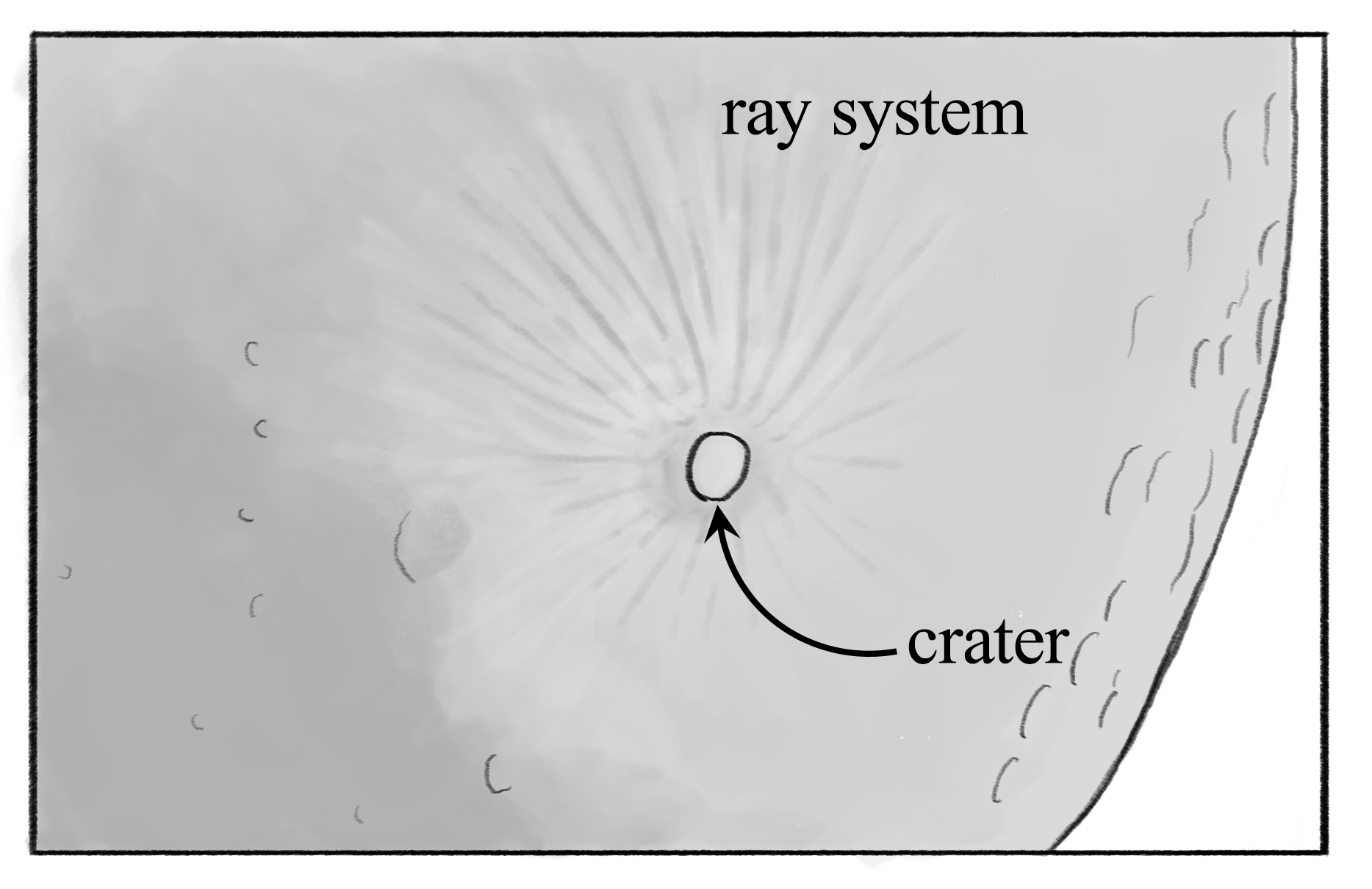
Some impact craters also have ray systems. Ray systems are radial patterns of ejecta dispersed at the time of impact. The lack of atmosphere and geological processes on the moon allow for the longevity of impact craters and their accompanying ray systems.
Often, crater rays have a higher albedo that the surrounding surface due to the excavation of materials below the lunar surface. (Albedo is the percentage of solar radiation reflected by a surface.) Scientists use albedo differences to locate and determine the age of impact craters. Weathering can decrease the albedo of ejecta.
Three scientists debate the formation and characteristics of impact craters and ray systems.
Scientist 1
All impact craters are formed with accompanying ray systems. The size of each ray system is determined by the size and speed of the meteorite, asteroid, or comet at the moment of impact. The shape of the ray system is determined by the angle of impact. Moonquakes, solar radiation, and other impacts cause the erosion of ejecta and are the primary causes some impact craters do no exhibit ray systems.
Scientist 2
Not all impact craters have ray systems. Material composition of the impact object determines whether ray systems are formed. Impact craters formed by extremely dense impact objects are sometimes too deep for ejecta to escape the edge of the crater, resulting in an absence of a ray system. With all other impact craters, ray systems are formed. The size of the ray system is determined primarily by the material composition, size, and speed of the impact object. The shape of the ray system is determined by the angle of impact. Ray system erosion takes a long time and does not account for the numerous craters without ray systems.
Scientist 3
Not all impact craters have ray systems. Ray systems form with impact craters where the impact surface is not smooth. Impacts on smooth areas of the lunar surface result in an even distribution of ejecta, so no rays are formed. Material composition of the impact object does not affect the ray system. Scientist 2 is correct that ray system erosion does not account for all craters without ray systems.
Which of the following reasons is LEAST likely to explain the reason ray systems are more common on the moon than on the Earth?
CorrectIncorrectHint
Determine which explanation is not a reasonable explanation.
-
Question 2 of 7
2. Question
Lunar impact craters are formed by the collisions of meteorites, asteroids, and comets with the moon’s surface. Because of the moon’s solid surface and lack of atmosphere, impact craters are numerous on the moon.
Some impact craters also have ray systems. Ray systems are radial patterns of ejecta dispersed at the time of impact. The lack of atmosphere and geological processes on the moon allow for the longevity of impact craters and their accompanying ray systems.
Often, crater rays have a higher albedo that the surrounding surface due to the excavation of materials below the lunar surface. (Albedo is the percentage of solar radiation reflected by a surface.) Scientists use albedo differences to locate and determine the age of impact craters. Weathering can decrease the albedo of ejecta.
Three scientists debate the formation and characteristics of impact craters and ray systems.
Scientist 1
All impact craters are formed with accompanying ray systems. The size of each ray system is determined by the size and speed of the meteorite, asteroid, or comet at the moment of impact. The shape of the ray system is determined by the angle of impact. Moonquakes, solar radiation, and other impacts cause the erosion of ejecta and are the primary causes some impact craters do no exhibit ray systems.
Scientist 2
Not all impact craters have ray systems. Material composition of the impact object determines whether ray systems are formed. Impact craters formed by extremely dense impact objects are sometimes too deep for ejecta to escape the edge of the crater, resulting in an absence of a ray system. With all other impact craters, ray systems are formed. The size of the ray system is determined primarily by the material composition, size, and speed of the impact object. The shape of the ray system is determined by the angle of impact. Ray system erosion takes a long time and does not account for the numerous craters without ray systems.
Scientist 3
Not all impact craters have ray systems. Ray systems form with impact craters where the impact surface is not smooth. Impacts on smooth areas of the lunar surface result in an even distribution of ejecta, so no rays are formed. Material composition of the impact object does not affect the ray system. Scientist 2 is correct that ray system erosion does not account for all craters without ray systems.
Moonquakes are very common and regularly last longer than Earthquakes. This information strengthens the explanation made by which of the scientists, if any?
CorrectIncorrectHint
Which scientist specified moonquakes as a reason for the absence of ray systems?
-
Question 3 of 7
3. Question
Lunar impact craters are formed by the collisions of meteorites, asteroids, and comets with the moon’s surface. Because of the moon’s solid surface and lack of atmosphere, impact craters are numerous on the moon.
Some impact craters also have ray systems. Ray systems are radial patterns of ejecta dispersed at the time of impact. The lack of atmosphere and geological processes on the moon allow for the longevity of impact craters and their accompanying ray systems.
Often, crater rays have a higher albedo that the surrounding surface due to the excavation of materials below the lunar surface. (Albedo is the percentage of solar radiation reflected by a surface.) Scientists use albedo differences to locate and determine the age of impact craters. Weathering can decrease the albedo of ejecta.
Three scientists debate the formation and characteristics of impact craters and ray systems.
Scientist 1
All impact craters are formed with accompanying ray systems. The size of each ray system is determined by the size and speed of the meteorite, asteroid, or comet at the moment of impact. The shape of the ray system is determined by the angle of impact. Moonquakes, solar radiation, and other impacts cause the erosion of ejecta and are the primary causes some impact craters do no exhibit ray systems.
Scientist 2
Not all impact craters have ray systems. Material composition of the impact object determines whether ray systems are formed. Impact craters formed by extremely dense impact objects are sometimes too deep for ejecta to escape the edge of the crater, resulting in an absence of a ray system. With all other impact craters, ray systems are formed. The size of the ray system is determined primarily by the material composition, size, and speed of the impact object. The shape of the ray system is determined by the angle of impact. Ray system erosion takes a long time and does not account for the numerous craters without ray systems.
Scientist 3
Not all impact craters have ray systems. Ray systems form with impact craters where the impact surface is not smooth. Impacts on smooth areas of the lunar surface result in an even distribution of ejecta, so no rays are formed. Material composition of the impact object does not affect the ray system. Scientist 2 is correct that ray system erosion does not account for all craters without ray systems.
It has been determined that some of the deepest moon craters also have accompanying ray systems. This information weakens the explanation made by which of the scientists, if any?
CorrectIncorrectHint
Search for the explanation that specifies crater depth as the reason for lack of a ray system.
-
Question 4 of 7
4. Question
Lunar impact craters are formed by the collisions of meteorites, asteroids, and comets with the moon’s surface. Because of the moon’s solid surface and lack of atmosphere, impact craters are numerous on the moon.
Some impact craters also have ray systems. Ray systems are radial patterns of ejecta dispersed at the time of impact. The lack of atmosphere and geological processes on the moon allow for the longevity of impact craters and their accompanying ray systems.
Often, crater rays have a higher albedo that the surrounding surface due to the excavation of materials below the lunar surface. (Albedo is the percentage of solar radiation reflected by a surface.) Scientists use albedo differences to locate and determine the age of impact craters. Weathering can decrease the albedo of ejecta.
Three scientists debate the formation and characteristics of impact craters and ray systems.
Scientist 1
All impact craters are formed with accompanying ray systems. The size of each ray system is determined by the size and speed of the meteorite, asteroid, or comet at the moment of impact. The shape of the ray system is determined by the angle of impact. Moonquakes, solar radiation, and other impacts cause the erosion of ejecta and are the primary causes some impact craters do no exhibit ray systems.
Scientist 2
Not all impact craters have ray systems. Material composition of the impact object determines whether ray systems are formed. Impact craters formed by extremely dense impact objects are sometimes too deep for ejecta to escape the edge of the crater, resulting in an absence of a ray system. With all other impact craters, ray systems are formed. The size of the ray system is determined primarily by the material composition, size, and speed of the impact object. The shape of the ray system is determined by the angle of impact. Ray system erosion takes a long time and does not account for the numerous craters without ray systems.
Scientist 3
Not all impact craters have ray systems. Ray systems form with impact craters where the impact surface is not smooth. Impacts on smooth areas of the lunar surface result in an even distribution of ejecta, so no rays are formed. Material composition of the impact object does not affect the ray system. Scientist 2 is correct that ray system erosion does not account for all craters without ray systems.
Which scientist, if any, asserts that ray formation is not dependent upon material composition of the impact object?
CorrectIncorrectHint
Search the explanations for an assertion that material composition does not affect ray formation.
-
Question 5 of 7
5. Question
Lunar impact craters are formed by the collisions of meteorites, asteroids, and comets with the moon’s surface. Because of the moon’s solid surface and lack of atmosphere, impact craters are numerous on the moon.
Some impact craters also have ray systems. Ray systems are radial patterns of ejecta dispersed at the time of impact. The lack of atmosphere and geological processes on the moon allow for the longevity of impact craters and their accompanying ray systems.
Often, crater rays have a higher albedo that the surrounding surface due to the excavation of materials below the lunar surface. (Albedo is the percentage of solar radiation reflected by a surface.) Scientists use albedo differences to locate and determine the age of impact craters. Weathering can decrease the albedo of ejecta.
Three scientists debate the formation and characteristics of impact craters and ray systems.
Scientist 1
All impact craters are formed with accompanying ray systems. The size of each ray system is determined by the size and speed of the meteorite, asteroid, or comet at the moment of impact. The shape of the ray system is determined by the angle of impact. Moonquakes, solar radiation, and other impacts cause the erosion of ejecta and are the primary causes some impact craters do no exhibit ray systems.
Scientist 2
Not all impact craters have ray systems. Material composition of the impact object determines whether ray systems are formed. Impact craters formed by extremely dense impact objects are sometimes too deep for ejecta to escape the edge of the crater, resulting in an absence of a ray system. With all other impact craters, ray systems are formed. The size of the ray system is determined primarily by the material composition, size, and speed of the impact object. The shape of the ray system is determined by the angle of impact. Ray system erosion takes a long time and does not account for the numerous craters without ray systems.
Scientist 3
Not all impact craters have ray systems. Ray systems form with impact craters where the impact surface is not smooth. Impacts on smooth areas of the lunar surface result in an even distribution of ejecta, so no rays are formed. Material composition of the impact object does not affect the ray system. Scientist 2 is correct that ray system erosion does not account for all craters without ray systems.
Based on the information provided, which of the following graphs best depicts the relationship between the albedo of ejecta and the age of its impact crater?
CorrectIncorrectHint
From the introductory text, note that albedo of ejecta decreases over time due to weathering.
-
Question 6 of 7
6. Question
Lunar impact craters are formed by the collisions of meteorites, asteroids, and comets with the moon’s surface. Because of the moon’s solid surface and lack of atmosphere, impact craters are numerous on the moon.
Some impact craters also have ray systems. Ray systems are radial patterns of ejecta dispersed at the time of impact. The lack of atmosphere and geological processes on the moon allow for the longevity of impact craters and their accompanying ray systems.
Often, crater rays have a higher albedo that the surrounding surface due to the excavation of materials below the lunar surface. (Albedo is the percentage of solar radiation reflected by a surface.) Scientists use albedo differences to locate and determine the age of impact craters. Weathering can decrease the albedo of ejecta.
Three scientists debate the formation and characteristics of impact craters and ray systems.
Scientist 1
All impact craters are formed with accompanying ray systems. The size of each ray system is determined by the size and speed of the meteorite, asteroid, or comet at the moment of impact. The shape of the ray system is determined by the angle of impact. Moonquakes, solar radiation, and other impacts cause the erosion of ejecta and are the primary causes some impact craters do no exhibit ray systems.
Scientist 2
Not all impact craters have ray systems. Material composition of the impact object determines whether ray systems are formed. Impact craters formed by extremely dense impact objects are sometimes too deep for ejecta to escape the edge of the crater, resulting in an absence of a ray system. With all other impact craters, ray systems are formed. The size of the ray system is determined primarily by the material composition, size, and speed of the impact object. The shape of the ray system is determined by the angle of impact. Ray system erosion takes a long time and does not account for the numerous craters without ray systems.
Scientist 3
Not all impact craters have ray systems. Ray systems form with impact craters where the impact surface is not smooth. Impacts on smooth areas of the lunar surface result in an even distribution of ejecta, so no rays are formed. Material composition of the impact object does not affect the ray system. Scientist 2 is correct that ray system erosion does not account for all craters without ray systems.
After a model proposed by Fred Whipple, comets have been described as dirty snowballs. Suppose it were observed that two comets of similar composition impacted two different areas of the Moon’s surface, one impact resulting in an impact crater with accompanying rays and one impact resulting in an impact crater without accompanying rays. This observation would weaken the statement made by which scientist?
CorrectIncorrectHint
Which scientists asserts that material composition of impact object is the primary determinant of whether a ray system is formed?
-
Question 7 of 7
7. Question
Lunar impact craters are formed by the collisions of meteorites, asteroids, and comets with the moon’s surface. Because of the moon’s solid surface and lack of atmosphere, impact craters are numerous on the moon.
Some impact craters also have ray systems. Ray systems are radial patterns of ejecta dispersed at the time of impact. The lack of atmosphere and geological processes on the moon allow for the longevity of impact craters and their accompanying ray systems.
Often, crater rays have a higher albedo that the surrounding surface due to the excavation of materials below the lunar surface. (Albedo is the percentage of solar radiation reflected by a surface.) Scientists use albedo differences to locate and determine the age of impact craters. Weathering can decrease the albedo of ejecta.
Three scientists debate the formation and characteristics of impact craters and ray systems.
Scientist 1
All impact craters are formed with accompanying ray systems. The size of each ray system is determined by the size and speed of the meteorite, asteroid, or comet at the moment of impact. The shape of the ray system is determined by the angle of impact. Moonquakes, solar radiation, and other impacts cause the erosion of ejecta and are the primary causes some impact craters do no exhibit ray systems.
Scientist 2
Not all impact craters have ray systems. Material composition of the impact object determines whether ray systems are formed. Impact craters formed by extremely dense impact objects are sometimes too deep for ejecta to escape the edge of the crater, resulting in an absence of a ray system. With all other impact craters, ray systems are formed. The size of the ray system is determined primarily by the material composition, size, and speed of the impact object. The shape of the ray system is determined by the angle of impact. Ray system erosion takes a long time and does not account for the numerous craters without ray systems.
Scientist 3
Not all impact craters have ray systems. Ray systems form with impact craters where the impact surface is not smooth. Impacts on smooth areas of the lunar surface result in an even distribution of ejecta, so no rays are formed. Material composition of the impact object does not affect the ray system. Scientist 2 is correct that ray system erosion does not account for all craters without ray systems.
Smooth, dark areas on the Moon’s surface are called maria, Latin for seas. It has been determined that there are fewer ray systems on the Moon’s maria than in the rugged highlands. This evidence could be used to support the position of which scientist?
CorrectIncorrectHint
Which scientist hypothesizes that ray system creation is dependent upon the impact surface’s shape.